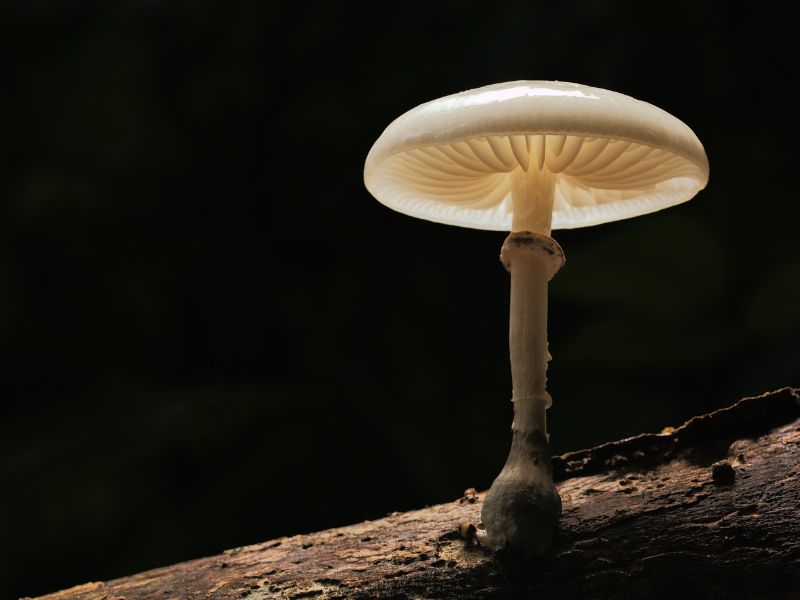
Fungi are eukaryotic organisms; meaning that their cells have a clearly defined nucleus and a membrane around their organelles. In other words, each cell of a fungi has a nucleus (the part in a cell that contains the chromosomes) and the organelles, such as the mitochondria, ribosomes, and endoplasmic reticulum, are encased in a wall-like structure that protect them from the exterior environment. Prokaryotic organisms, on the other hand, have cells that have no nucleus and do not have membrane-bound organelles.
What Is Fungi Cell Type
Fungi are highly diverse groups of eukaryotic organisms that include yeasts, mildews, and mushrooms. Fungi make up one of the four kingdoms of eukaryotes; the other three are Animalia, Plantae, and Protista. Though fungal organisms have been closely associated with plants in the past, they’re actually similar to animals, given the fact that they get the energy they need to live by consuming the molecules of other organisms.
Benefits of Fungi
Fungi in the saprophyte grouping are important because they act as decomposers in most ecosystems that they are part of and recycle organic matter. Many fungi draw nutrients from dead or decaying organisms (especially carbon- and nitrogen-containing compounds) and use specialized enzymes to break down complex molecules. These nutrients are then released into soils and plants. In doing so, fungi accelerate the rate at which deceased organic material degrades and is reabsorbed into the ecosystem by plants and bacteria.
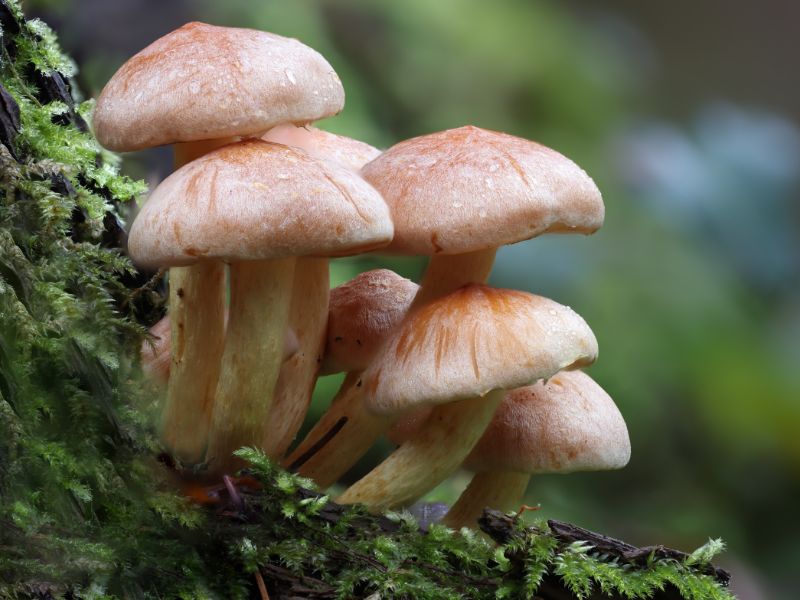
Fungi transport nutrients through underground fungal hyphae networks, decomposing dead biomass material, and are eaten as food by some mammals, including us humans. The mutualistic symbiotic relationship between fungal mycelia and plant roots is known as a mycorrhizal interaction. In a mycorrhizal interaction, the fungal mycelia extend a network of hyphae to channel water and nutrients like phosphorous and nitrogen to plant root systems underground. In exchange, mushrooms benefit by receiving sugars produced by plants to be used for energy.
What Is Fungi
According to a 2020 study from the Université libre de Bruxelles, the first mushrooms evolved on Earth between 715 and 810 million years ago, predating other estimates by as much as 300 million years. The fossilized remains of mycelium in sediments led Steeve Bonneville, leader of the study and professor at the Université libre de Bruxelles, to believe that microscopic mushrooms were associated with early plant predecessors. However, the origin of fungi is still quite mysterious. John Todd, Canadian ecologist and author of “Healing Earth” believes that fungi evolved from Protists – one of the six kingdoms of life – about 1 billion years ago.
Recent research suggests that as many as 5 million or more fungal species may exist. The long history of fungi and their ancestor species indicates that they’ve been critical ecological resources for both plant and animal evolution.
What Is Mycorrhizae
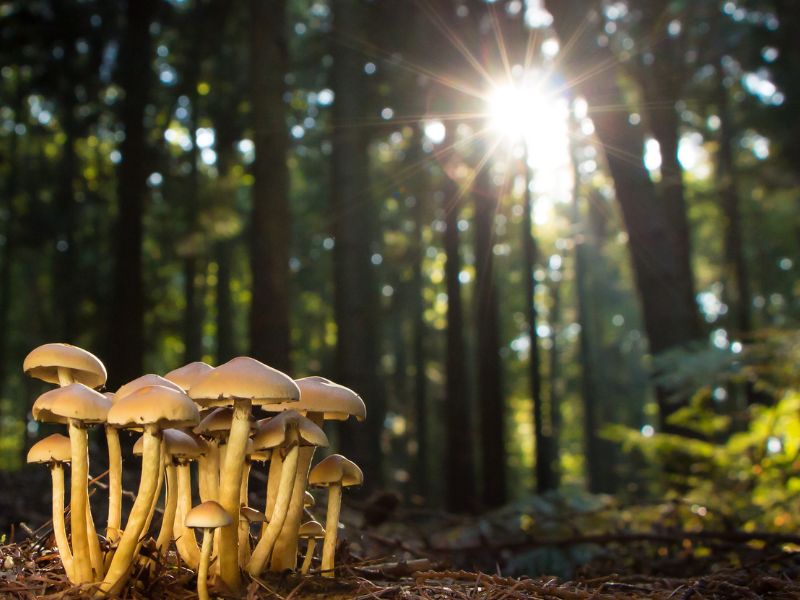
Mycorrhiza is a term that refers to the mutually beneficial exchange between plants and fungi which takes place underground. The interconnections between fungal mycelium and plant roots are perhaps one the most vital symbiotic relationships for life on Earth. Once mycelium fills the tight spaces between plants’ roots, it can exchange nutrients like phosphorous and nitrogen in exchange for sugars that the plants produce. This relationship is advantageous for both species.
What Is Mycelium
Mycelium is the subgroup of bacteria that spread in thin (thinner than plant roots) wiry branches underground. Mycelium has been likened to the underground root systems that connect communities of plants together. However, mycelium branches are made of groups of hyphae, which are the primary means of growth for fungal lifeforms. Hyphae allow nutrients to be assimilated from various sources.
Mycelium provides the protein glomalin which acts as a binding agent for soil, making its aggregate particles stick together and more resistant to rain or wind erosion. By enhancing soil health, glomalin makes plants more likely to grow through adverse conditions. Farmers often use glomalin to improve crop production and increase water retention in plant roots. As if that weren’t good enough, glomalin may also aid in carbon dioxide (CO2) absorption in soils and plants by enhancing overall water retention.

