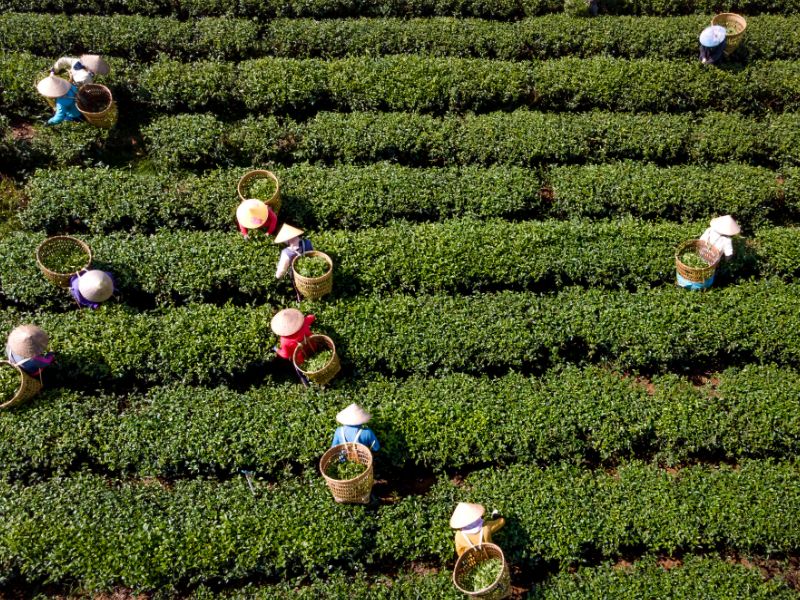
Ecosystems services are biotic and abiotic benefits that people obtain from their environment. Microscopic bacteria in marine ecosystems, for example, produce breathable oxygen. Plants and soils help regulate climate by capturing carbon dioxide in the air and storing it underground. Wetlands reduce flooding risks in coastal territories. Medicines are extracted from plants like sage, ginger, turmeric, and aloe vera. Animals are hunted for food.
Ecosystem Services Types
The 2006 Millennium Ecosystem Assessment (MA) outlined four distinct categories of ecosystem services to help map the different kinds of benefits provided to human populations. The categories can help us identify what advantages are gained by people and suggest the value of the service. Though it can be difficult to put a price on nature’s contributions, estimates are somewhat determined by the service’s utility, either for humanity, other species, or the ecosystem itself. Categorizing ecosystem services can inform policy and be implemented in conservation research.
Ecosystem Services Types
There are four main types of ecosystem services: provisioning, regulating, supporting, and cultural. Each one of these classifications describes unique outputs made possible by ecological systems. A single ecosystem may produce multiple types of services at once.
Ecosystem Services Provisioning
Provisioning ecosystem services is the substantive, or material benefits of an ecosystem. This type of service includes raw materials like wood, fresh water, metals, and medicinal herbs. Foods too are provisioning services that are grown on farms, synthesized from natural ingredients, or extracted from animals.
Ecosystem Service Regulating
Regulating ecosystem services are sometimes called managing services. These services govern the cycles within an ecosystem. Regulating services play essential roles in managing the water cycle, the carbon cycle, soil quality, crop pollination, and water purification. Regulating services are those that moderate climate and the intensity and frequency of weather events.
Ecosystem Services Supporting
The natural processes within ecosystems are part of the ecosystem’s own continued survival and maturity. As ecosystems mature, they can grow more complex, support greater profiles of species richness, and allow novel interactions between organisms to develop. Supporting services refer to an ecosystem’s capacity to keep itself functioning over time.
Ecosystem Services Cultural
Cultural services are the nonmaterial contributions that we derive from the natural world. Around the world, people rely on nature for their sense of cultural identity, including art, architecture, and recreation.


Very nice article. I think it is pieced together very well
LikeLike