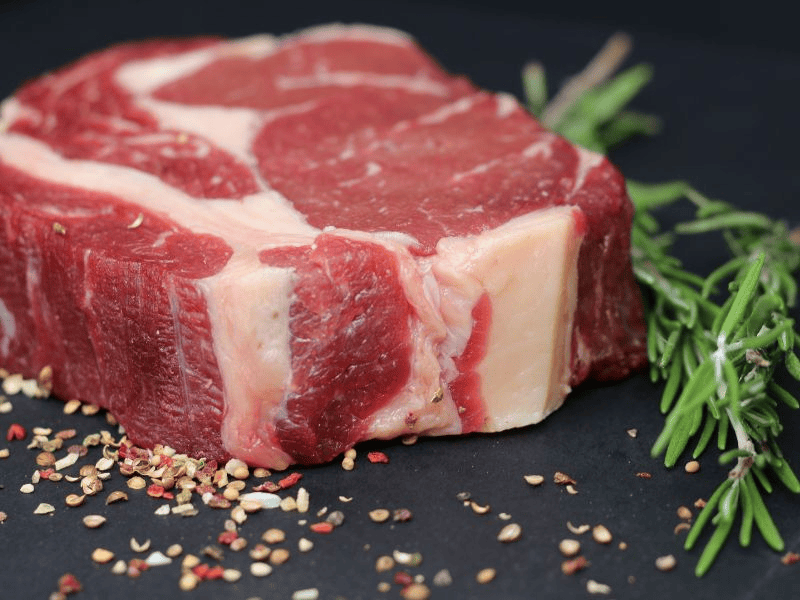
This year, the food company Epicurious decided that it would not add any more beef meals to its recipe list. The company also stated that it will no longer feature beef-recipes on its homepage or social media feed. Maggie Hoffman, senior editor at Epicurious, and David Tamarkin, former digital director, said in a blog post that removing beef is a “worthwhile first step” in addressing climate change and moving towards sustainable cooking. Epicurious’ staff made it clear that they were leaving beef behind for climate change, and posted that “… think of this decision as not anti-beef but rather pro-planet”.
Epicurious
Epicurious is a website that provides recipes for breakfast, lunch, quick dishes, desserts, drinks, and more. On their site, readers can browse a smorgasbord of different foods to prepare for themselves. The creators of the site do not cater to any specific lifestyle or diet group, they are known to have recipes for just about everyone.
Why Epicurious Left Beef Behind
The consequences of unsustainable farming practices are most apparent in land use. Livestock animals eat massive amounts of vegetation so that they can meet their caloric requirements. Just one dairy cow, for example, may consume tens of thousands more calories than any human does, and their calories come strictly from plants. Growing enough food for livestock limits the amount of land that could be used for human-consumable crops. Food crops that go directly to feeding humans, as opposed to livestock and factory farm animals, generally require less land space.
Epicurus Quotes
Epicurious’ blog post, “Every Question You Have About Cattle, Climate, and Why Epicurious Is Done With Beef”, also claims that the crops fed to livestock are grown using pesticides and fertilizers that are derived from fossil fuels. Even after the feed passes through the cow and eventually becomes manure, it emits both nitrous oxide and methane into the air. On top of that, manure tends to spill into waterways where it can cause bacterial contamination and kill fish in surface waters.
The blog post, which explains the reason for cutting beef products, goes on to cite findings by the Food and Agriculture Organization of the United States. The findings note that livestock accounts for nearly 15% of worldwide greenhouse gas emissions — 41% of those emissions come from the production of beef.
In freshwater systems, organic waste also introduces excess nutrients, such as phosphorus and nitrogen, and facilitates algae overgrowth. Algae blooms deplete the oxygen and sunlight from surface water ecosystems, causing illness and sometimes death in other species within the environment. On land, manure releases nitrous oxide and methane into airways and drives rising temperatures. The Environmental Protection Agency reports that in 2019, 10 percent of America’s greenhouse gas emissions came from its agriculture sector.
Epicurious states that “…our shift is solely about sustainability, about not giving airtime to one of the world’s worst climate offenders. We think of this decision as not anti-beef but rather pro-planet.”
Though tackling climate change will require a new economic framework, more sustainable infrastructure, legislative support, and international coordination, chefs possess the power to affect change from within their own kitchen. So, I applaud Epicurious for leading by example.

