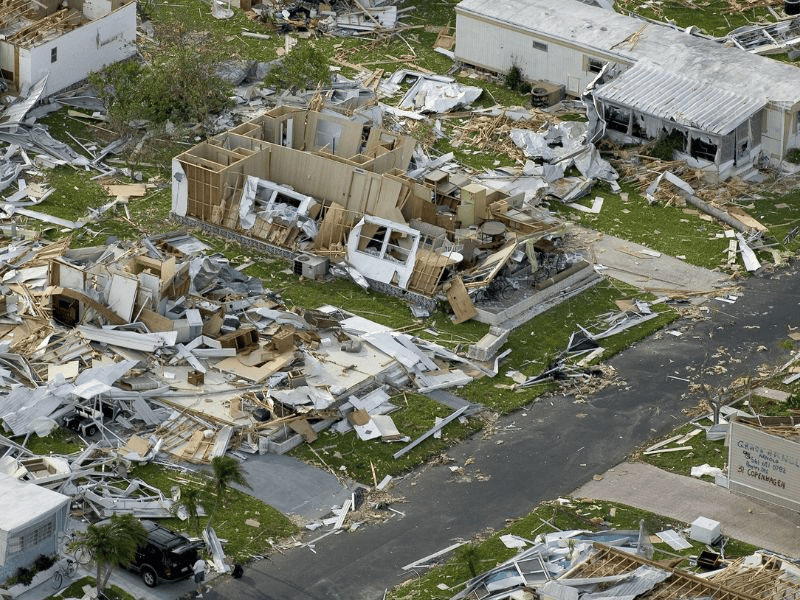
Hurricane Sandy is among the most destructive Hurricanes of the 2012 Atlantic Hurricane Season. Sandy is estimated to have costed at least $70 billion in infrastructure damages, according to estimations by The National Oceanic and Atmospheric Administration.
A recently published study suggests that climate change actually raises Hurricane Sandy’s cost in damages by $8 billion. By using computer modeling simulations, researchers have discovered that human caused sea level rise made the storm conditions of Hurricane Sandy much worse than what’s been previously estimated.
Its long been established that climate change has influenced Earth’s storms by raising sea level rise and increasing the likelihood and intensity of floods. To quantify this effect, researchers (Benjamin H. Strauss, Philip M. Orton, Klaus Bittermann, Maya K. Buchanan, Daniel M. Gilford, Robert E. Kopp, Scott Kulp, Chris Massey , Hans de Moel & Sergey Vinogradov) simulated two versions of Hurrican Sandy and its resulting damages. Version one of the simulation depicts Hurricane Sandy as it actually occurred. Version two is a simulated scenario that would have occurred with distributions of lower sea levels in areas of attributable sea level rise.
Climate Change Damage Costs
The results of the simulation scenarios suggest that climate change’s impact on 20th century weather and storms exacerbated Hurricane Sandy. The researchers determined that seas in 2012 were 4.1 inches (10.5 centimeters) higher than in 1900. This figure is deceivingly small; the increase of 4.1 inches, when distributed appropriately, can make a dramatic difference in eastern parts of the world.
This effect is due to the location of ice glaciers in Greenland and Alaska – the felt rise in sea levels is usually measured on the opposite end of the globe from the central melting sources, says study co-author Bob Kopp, director of Rutgers University’s Institute of Earth, Oceans and Atmospheric Sciences.
The new study joins an emerging body of work which aims to illustrate the connections between adverse climate change and modern human activity. Anthropogenic climate change serves to supplement storms, making them appear more often and more intense. In this case, we are able to glimpse how much more costly climate change is on infrastructure and human wellbeing.
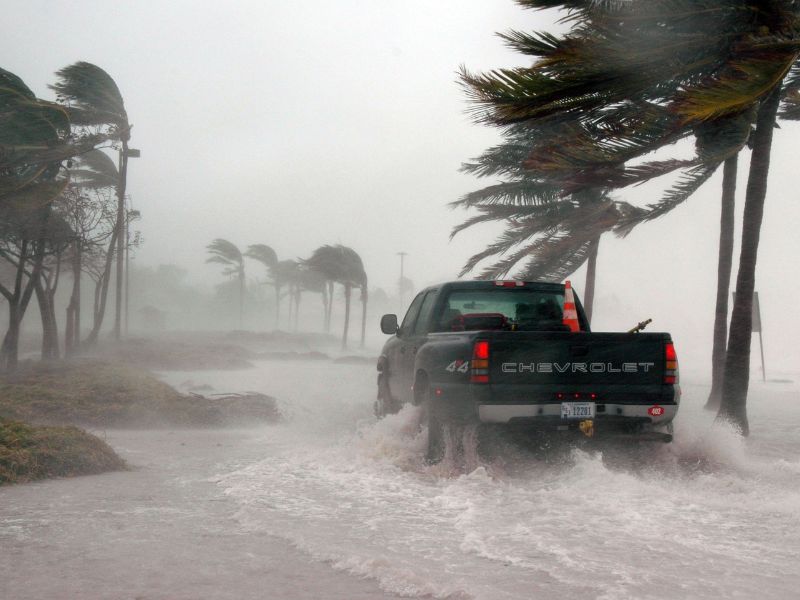
Storms like Hurricane Ida, which happened on August 26, 2021, belong to a category of hurricanes that intensified just before they reached shores. Sources reveal that Hurricane Ida was estimated to be much weaker before reaching regions of hot air and relatively warm water. Climate change may be to blame for hot air and warm surface water areas, which fuel certain storms and increase their wind strength.
Any time a hurricane mutates from an estimated Category 1 or Category 2 storm mutates to Category 4, differences in weather conditions in separate areas are likely to be the cause. The day before Ida struck Louisiana, it was estimated to be at worst a Category 2 storm. In less than 24 hours, the anticipated intensity of the storm changed significantly.
Human-attributable warming is likely adding to the heat that tropical storms use as fuel. In other words, human activities, like greenhouse gas emissions for industrial processes and energy production, could be increasing the energy in hurricanes as they develop and travel towards shores.

