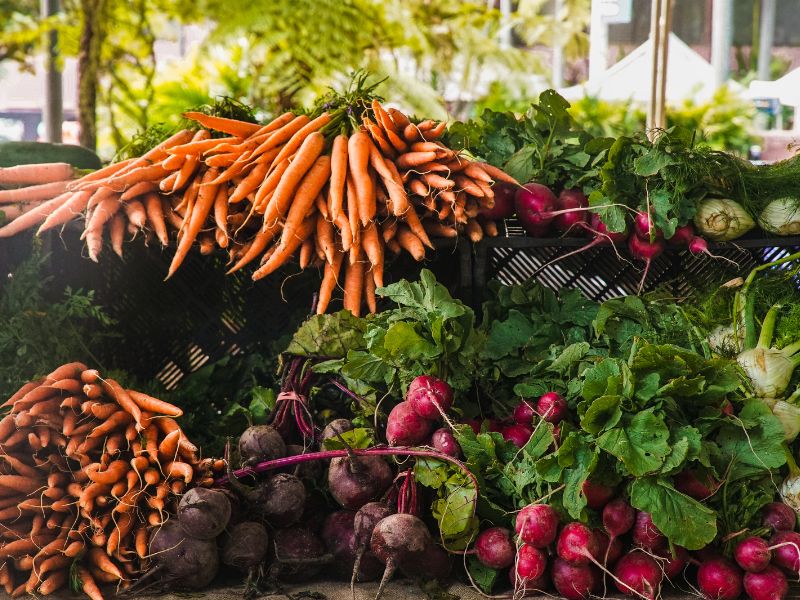
If you’ve ever wanted to limit or reduce your household’s environmental impact, you might have considered transitioning to a plant based-diet, grocery shopping locally, buying seasonal foods, and reducing household food waste.
Plant-based diets increase the amount of acreage available for human-consumable crops by reducing the demand for animal feed crops. Buying local and in-season foods lessens energy for transporting foods across long distances. Reducing food waste prevents organic products from being disposed of between shopping trips.
Ways to Reduce Waste
Reducing waste can be as simple as tracking the foods or the number of calories that your household regularly consumes between grocery trips. Once you know how much you eat, you’ll be able to adjust the amount of food that you purchase for your household to match your consumption habits. This should save consumers money and reduce household methane footprints.
The way we store fresh fruits and vegetables can determine the rate at which they ripen and how long they ultimately last. For example, certain fruits ripen at a slower rate when stored separately from other foods due to ethylene. Ethylene is produced in multiple fruits, including apples, avocados, bananas, kiwis, peppers, and tomatoes.
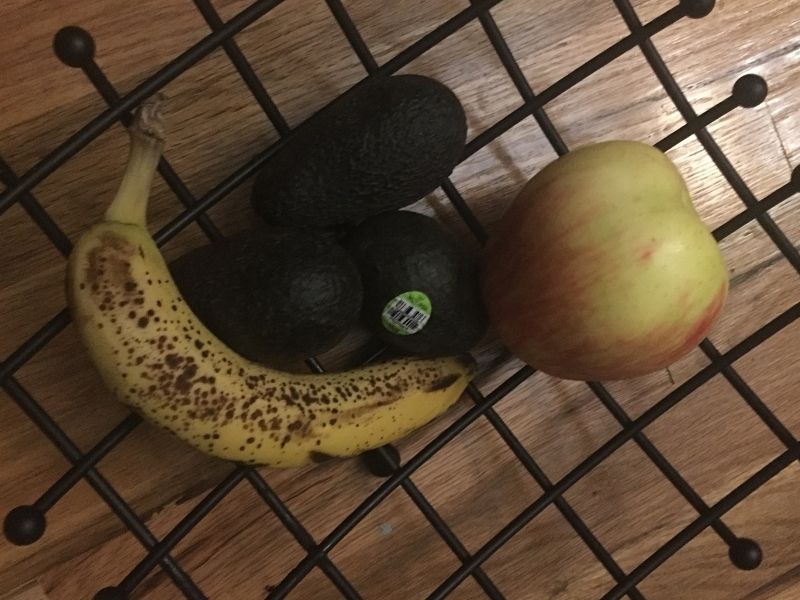
Ethylene is a natural gas that contributes to the ripening and eventually the spoiling process. The amount of ethylene that fruits emit tends to increase as they ripen. This gas not only expedites the ripening rates in the fruits that produce it but also in nearby fruits. Storing your fruits separately can slow the rate at which they ripen and keep them edible for longer.

