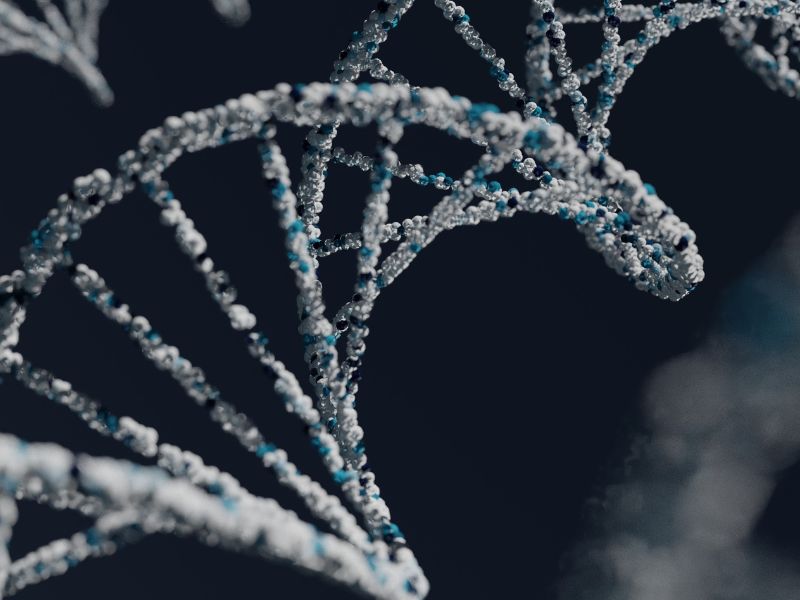
Environmental DNA (EDNA) is defined as genetic material that has been gathered from an environment rather than directly from an organism. DNA is a molecular structure that exists in an organism’s cells. EDNA is DNA that has been expelled from organism and left in behind in soils, water, sediments or in the air. All living organisms leave traces of their genetic material in environments that they’ve physically been in; that DNA can give researchers information about a species’ whereabouts (past and present). EDNA can be released into an environment through the body fluids, fecal matter, scales, and skin of the organism.
Ecological sampling is an assessment of how species are distributed and how dense the populations are within a community of organisms. Sampling requires the use of several methods to record the presence of different organisms. Some methods merely consist of photographing species, other methods involve setting traps to capture and identify them so that they can be studied up close.
Measuring species populations is not as simple as measuring force or distance; biodiversity can be understood in a multitude of ways. For example, some researchers use species richness -the total number of different species – to quantify distribution and density. Others may count the number of individual organisms of each species in an area. What’s important is that the community being sampled gives researchers basic information about the occurrence and abundance of the species being observed.
Environmental DNA
Sampling with environmental deoxyribonucleic acid (EDNA) is a relatively new strategy for identifying the species in a given region. EDNA makes use of readily available genetic material deposited in a habitat and left behind by the organism that it came from. That genetic material can then be tested and referenced to other cataloged samples.
How Long Does DNA Last
Once EDNA has been released into an environment, it can become less detectable depending on the conditions of the region. For example, cold weather conditions sometimes preserve a DNA sample over long periods of time because freezing prevents samples from moving through the system. Alternatively, UV radiation or seawater acidity could cause the genetic sample to degrade. For this reason, DNA samples extracted from water tend to only last a few days. Therefore, like any other sampling technique, EDNA is time sensitive. Thanks to advances in molecular biology, retrieving information from genetic signatures and matching them to the appropriate species in labs is quickly becoming a new frontier for understanding species distributions across ecosystems.
Advantages of Environmental DNA
Acquiring a genetic signature from an organism (or a group of organisms) can can tell sampling teams a lot about the organism, including where it has been, what its diet consists of and what other organisms it may have interacted with. EDNA is more cost effective than trapping and capturing organisms because EDNA is readily available upon discovery, saving researchers the cost of traps and time for assembly and troubleshooting. Using EDNA also grants researchers a better opportunity to detect species that have low population densities.
What’s more, the EDNA technique is less disruptive to the lives of organisms in the region being sampled. When ecologists attempt to study species by capturing them or observing them directly, they often risk introducing non-native species or disease into an environment, even with the use of sterilized materials. In other cases, sampling teams could disrupt the targeted ecosystem in some unforeseen way. Of all sampling methodologies, EDNA is the least disruptive to ecological communities. Though measuring biodiversity is an essential process for conservation and research, preserving that biodiversity is likewise crucial.
Some species are simply difficult to detect. This could be because the species itself may be incredibly small, or its population sizes are spread thin, making the targeted species too elusive to observe by conventional means. Sampling with EDNA can eliminate limitations associated with capturing species, photographing them, or tracking them. However, EDNA can not be used to determine population quality information such as bodily features and sex ratios. Therefore, DNA retrieved from environments must be used in conjunction with other detection techniques in some cases.
EDNA (Environmental DNA) sampling is a method of surveying distribution patterns and population sizes for species within an ecological community. EDNA makes use of genetic deposits that organisms leave behind. Ecologists use hair, fecal matter, feathers, and any other forensic-like evidence that they can find in an environment. Using EDNA to sample populations is minimally invasive and does not involve extracting genetic material directly from the targeted organisms. Anthropogenic disturbances continue to plague ecosystems the world over, affecting species abundance, species variety, migratory patterns, and habitats.

