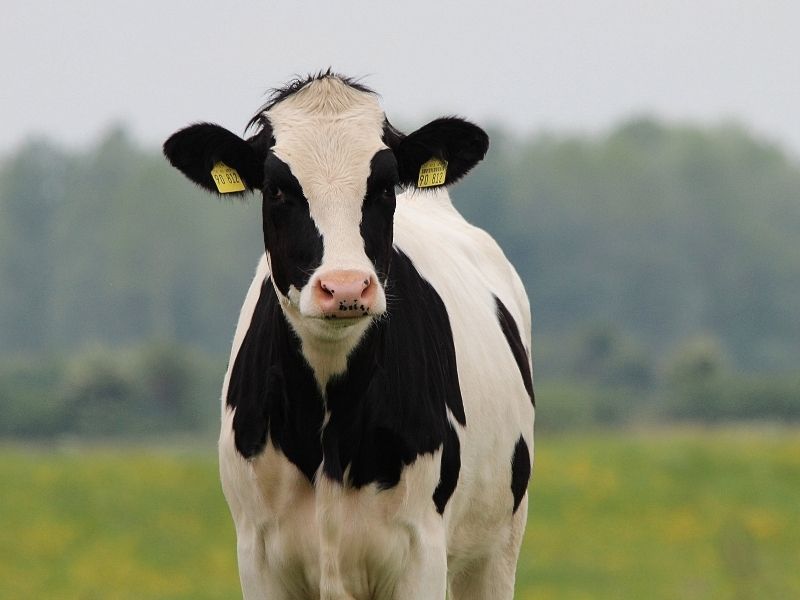
Cowspiracy is a Netflix documentary that describes the connection between climate change and modern agriculture. The film centers on an environmentalist, Kip Anderson, as he investigates environmental issues, including ocean dead zones, rapid species extinctions, habitat loss, Amazon rainforest destruction, water overconsumption, and land misuse.
Anderson grows frustrated as he discovers that some environmental organizations and other conservationists (Greenpeace, Sierra Club, and Surfrider Foundation) refuse to be truthful about animal agriculture’s contribution to global warming.
Cowspiracy Fact Check
Animal agriculture, like any other form of farming, requires generous amounts of land, water, and chemical additives to produce human-consumable foods. However, Cowspiracy depicts animal agriculture as the most resource-intensive form of farming and argues that the amount of land space and freshwater being used is unsustainable.
According to the film: “animal agriculture is responsible for 20%-33% of all freshwater consumption in the world today” and “livestock covers 45% of the earth’s total land”. What’s troubling is that the demand for agriculture is rising as human populations increase. If meat production is going to continue, it must become more conservative with land space and water usage.
Raising livestock is also associated with greenhouse gases. Livestock ruminants like cows decompose and ferment plant foods and produce methane (CH4)as a by-product. And when forests are cut down and burned (to make space for grazing livestock and or their feed crops) much of the carbon stored in trees and plants is released back into the atmosphere again as carbon dioxide (CO2).
Cowspiracy Summary
Bruce Hamilton of the Sierra Club describes the present rate of greenhouse gas proliferation as exceeding levels ever before seen or estimated. This is hardly news. However, during his brief interview, Hamilton simply stated that other sources of methane and carbon dioxide should be prioritized above the contributions from agriculture farming.
The Natural Resources Defense Council’s Ann Notthoff says that energy production and transportation are the major sources of environmental degradation. The woman then laughs when asked about livestock’s contribution, jokingly remarking, “that’s cow farts… I think that’s what that is”.
Dr. Chad Nelson of Surfrider notes that heavy metals from automated vehicles and herbicides and pesticides as sources of ocean pollution. When Kip Anderson questions Dr. Nelson about the influence of animal agriculture on oceanic pollution, Nelson simply remarks that California’s research teams do not see much evidence of it.
The Sustainability Secret
The Cowspiracy film seems to suggest that popular, well-funded environmental organizations avoid implicating factory farming in global warming because activism can result in a loss of revenue or a reputational blow.
Late in the film, the tragic assassination of Sister Dorothy Stangis mention. She was an American nun who was apparently murdered in 2005 for her activism against cattle ranching. According to Cowspiracy, more than 1,100 environmental campaigners were killed over 20 years in Brazil for animal activism. Journalist Will Potter believes that environmentalists are treated as terrorists by the FBI.
Wildlife Impacts
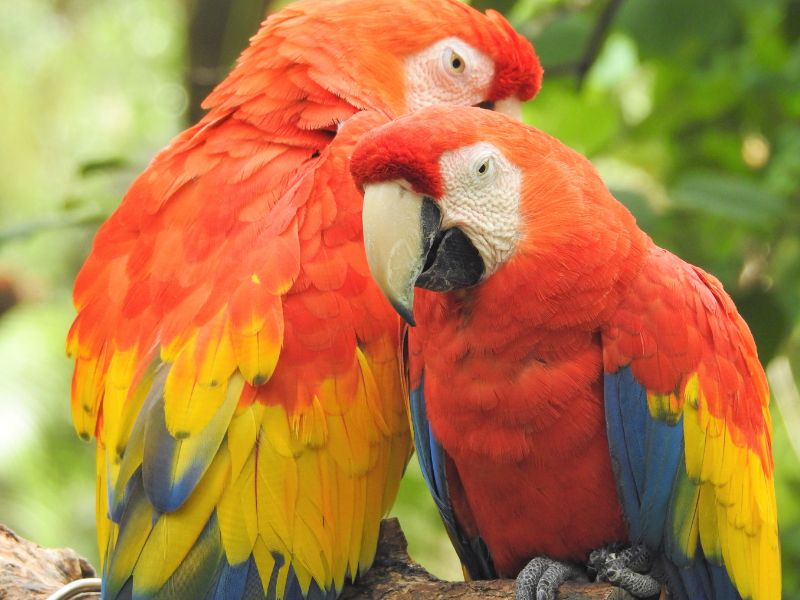
On the Cowspiracy website, there is a list of references under the “Facts” section. Under the subsection titled “Wildlife”, there are three separate papers that describe modern agriculture’s impacts on wild animals and their ecosystems.
The first document is by author Vaclav Smil (2011), entitled “Harvesting the Biosphere: The Human Impact”. This 24-page exposition provides a detailed explanation of how human activities are changing the natural world. Specifically, how deforestation and environmental conversions have degraded ecosystem function and worsened biodiversity loss in tropical areas worldwide.
According to Vaclav Smil, author of Feeding the World, the planet’s plant biomass is gradually being diminished due to the growing extent of human land alterations. Simil references the observational data collected from “Benchmark Map of Forest Carbon Stocks in Tropical Regions Across Three Continents”, which suggests that the global index of phytomass has decreased as human energy use has increased. Furthermore, as the populations of humans and domesticated animals have climbed in the most developed nations, the presence of wild terrestrial animals has fallen.
Both The United States Bureau of Land Management and Predator Defense, papers mentioned on Cowspiracy’s “Facts” page are short reads that share a common thread: the authorized killing of wild fauna contributes to the loss of wildlife. The Bureau of Land Management states that killing wildlife populations is aimed at reducing “overall herd growth rates”. The Wildlife Services, on the other hand, states that it authorizes the killing of fauna to protect agricultural crops on both private and public lands.

