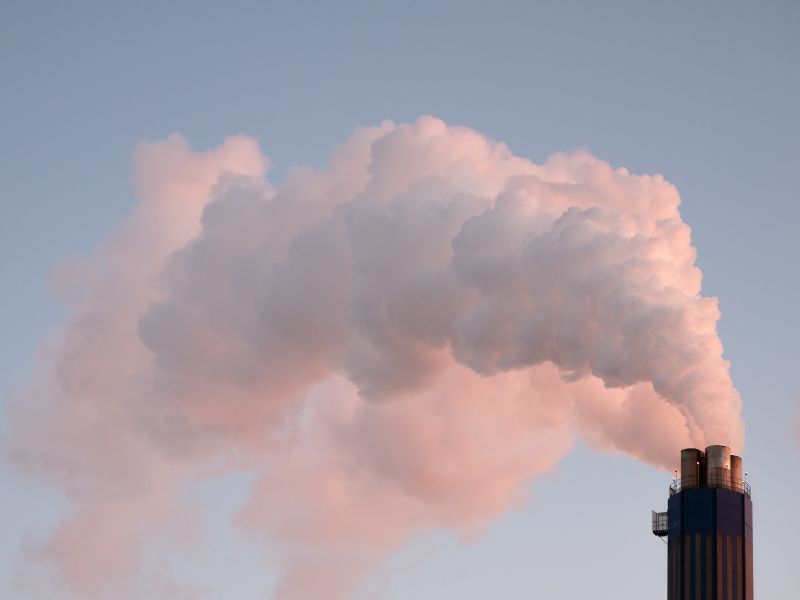
Methane is a colorless, odorless chemical compound that absorbs and reradiates energy within the thermal infrared range (it even traps more heat than carbon dioxide). Methane is estimated to remain in the atmosphere for approximately a decade (10 years) and although it’s naturally occurring, methane is also released into the air via human activities, principally from fossil fuel burning, ruminants in agriculture, and organic waste in landfills.
Natural gases, coal, and oil are fossil fuel energies that form deep beneath the Earth’s surface over long periods. When fossil energies are burned, they release greenhouse gases like carbon dioxide, water vapor, and methane. These gases drive the atmospheric greenhouse effect and exacerbate global warming in the air and oceans.
Agriculture methane emissions mostly come from livestock. Livestock ruminants, like cattle, buffalo, goats, and deer have digestive tracts which contain microbes known as methanogens that metabolize plant substances in their diets.
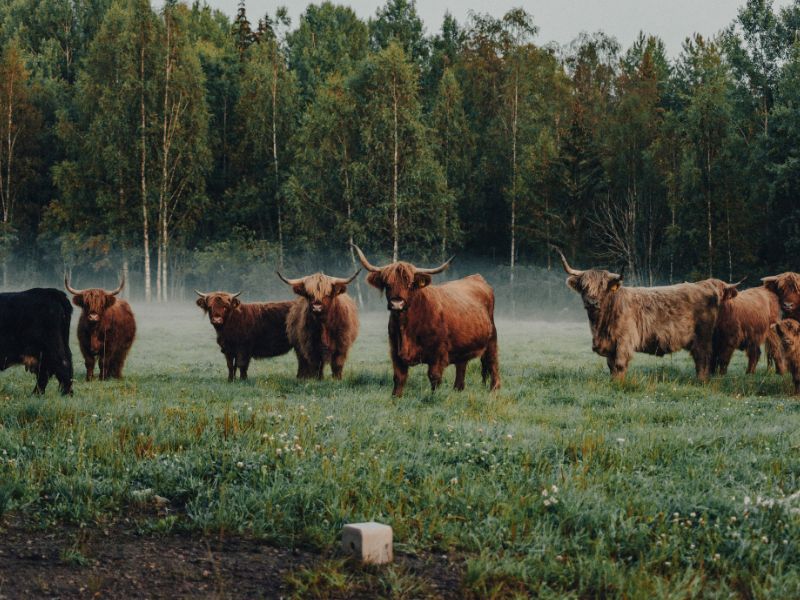
Methanogens in ruminant animals produce methane which is then released when these animals belch. This process is known as enteric fermentation. Ruminants, particularly cattle, are mass-bred in agriculture settings, making their methane emissions much more significant than those of naturally occurring populations.
Landfill gases (LFGS) are the byproduct of decomposing organic material. As bacteria from food and waste products break down, gases are subsequently released into the air. LFGS include both methane and carbon dioxide. Methane from landfills is of high concern; the state of California has implemented a long-term plan to limit the amount of waste that ends up in landfills to decrease its annual methane emissions; this plan is known as SB1383.
Humanity can not afford to rely on natural gas as its primary source of energy. If we continue to burn methane, we will upset the natural balance of these gases present in Earth’s atmosphere. Unless we can ambitiously reduce our use of methane and other greenhouse gases-which will require dramatic economic and technological shifts- the heating impact associated with such gases will continue. This includes rising surface and ocean temperatures, increased sea-level rises, and more frequent extreme weather events.

